
In recent years, the search for sustainable and nutritious food sources has led to a surprising contender - edible insects. Among these, crickets have gained significant attention for their impressive nutritional profile and environmental benefits. Incorporating edible insect nutrition into your diet can be a game-changer, offering a rich source of protein, vitamins, and minerals while supporting eco-friendly food production. This article explores how cricket protein can transform your diet, the benefits of edible insect nutrition, and practical ways to include it in your meals.
Understanding Edible Insect Nutrition and Its Benefits
Edible insects, including crickets, are packed with essential nutrients that rival traditional protein sources like beef, chicken, and fish. They provide a complete protein profile, meaning they contain all nine essential amino acids necessary for human health. Additionally, insects are rich in micronutrients such as iron, zinc, calcium, and B vitamins.
The environmental impact of edible insect farming is also significantly lower than conventional livestock. Crickets require less land, water, and feed, and they produce fewer greenhouse gases. This makes them a sustainable choice for those looking to reduce their carbon footprint while maintaining a nutritious diet.
Key nutritional benefits of edible insects include:
- High protein content (up to 65% by dry weight)
- Rich in healthy fats, including omega-3 and omega-6 fatty acids
- Abundant in fiber, particularly chitin, which supports gut health
- Excellent source of minerals like iron and calcium
By embracing edible insect nutrition, you not only improve your health but also contribute to a more sustainable food system.
How to Incorporate Edible Insect Nutrition into Your Diet
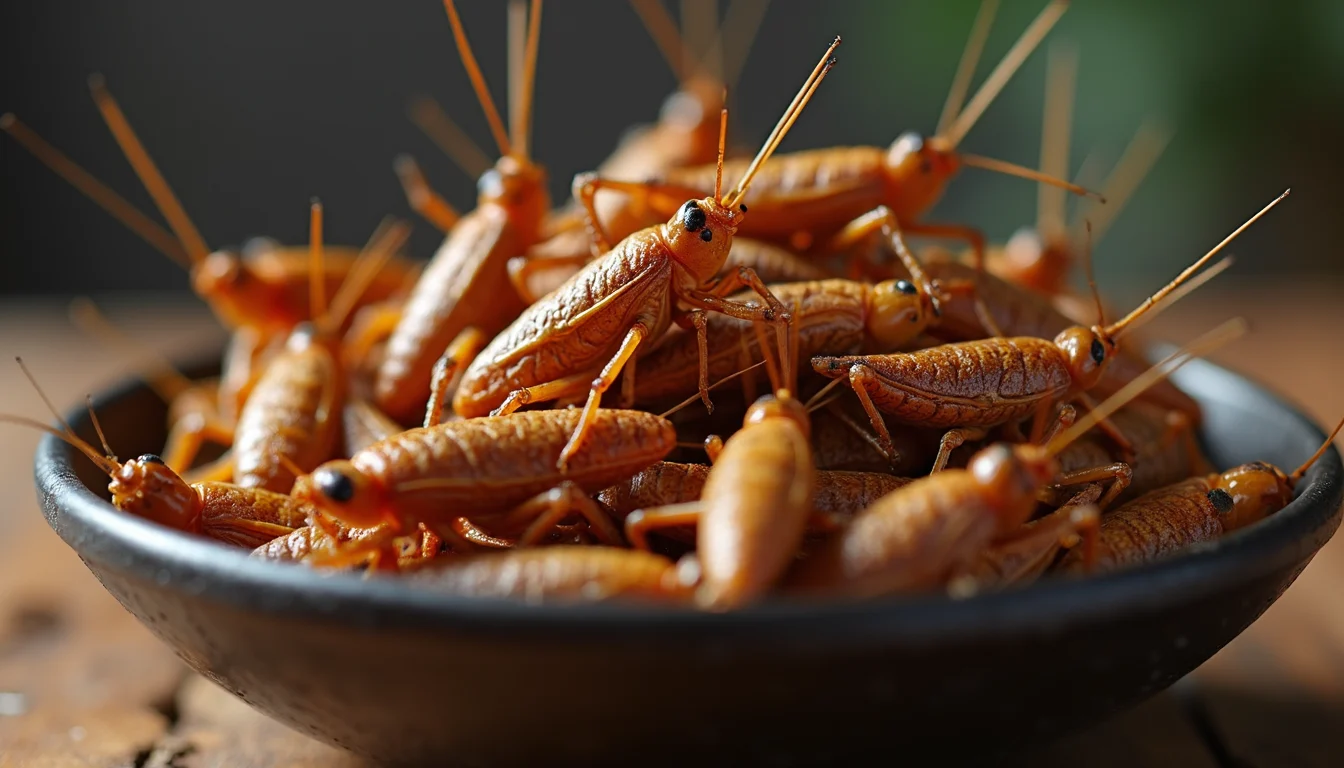
Introducing edible insects into your meals can be simple and delicious. Cricket protein is available in various forms, including whole roasted crickets, cricket flour, and protein bars. Here are some practical ways to add edible insect nutrition to your daily routine:
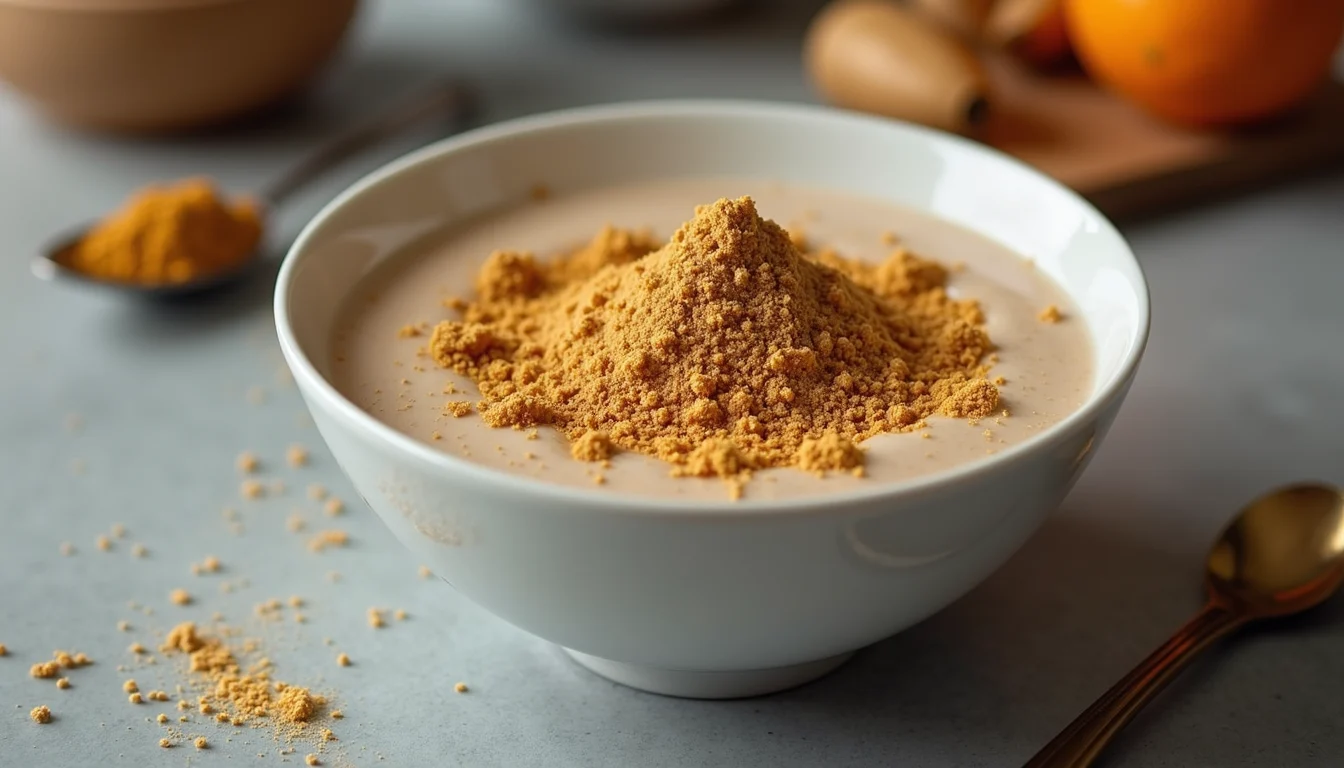
- Smoothies and Shakes: Add cricket protein powder to your favorite smoothie recipes for a protein boost without altering the taste significantly.
- Baking: Substitute a portion of regular flour with cricket flour in recipes for pancakes, muffins, or bread to increase protein content.
- Snacks: Enjoy roasted crickets as a crunchy snack or mix them into trail mixes for added nutrition.
- Cooking: Incorporate whole crickets into stir-fries, salads, or soups for a unique texture and flavor.
When trying edible insects for the first time, start with small amounts to allow your palate to adjust. Many people find that cricket protein has a mild, nutty flavor that blends well with various dishes.
What is cricket protein called in the USA?
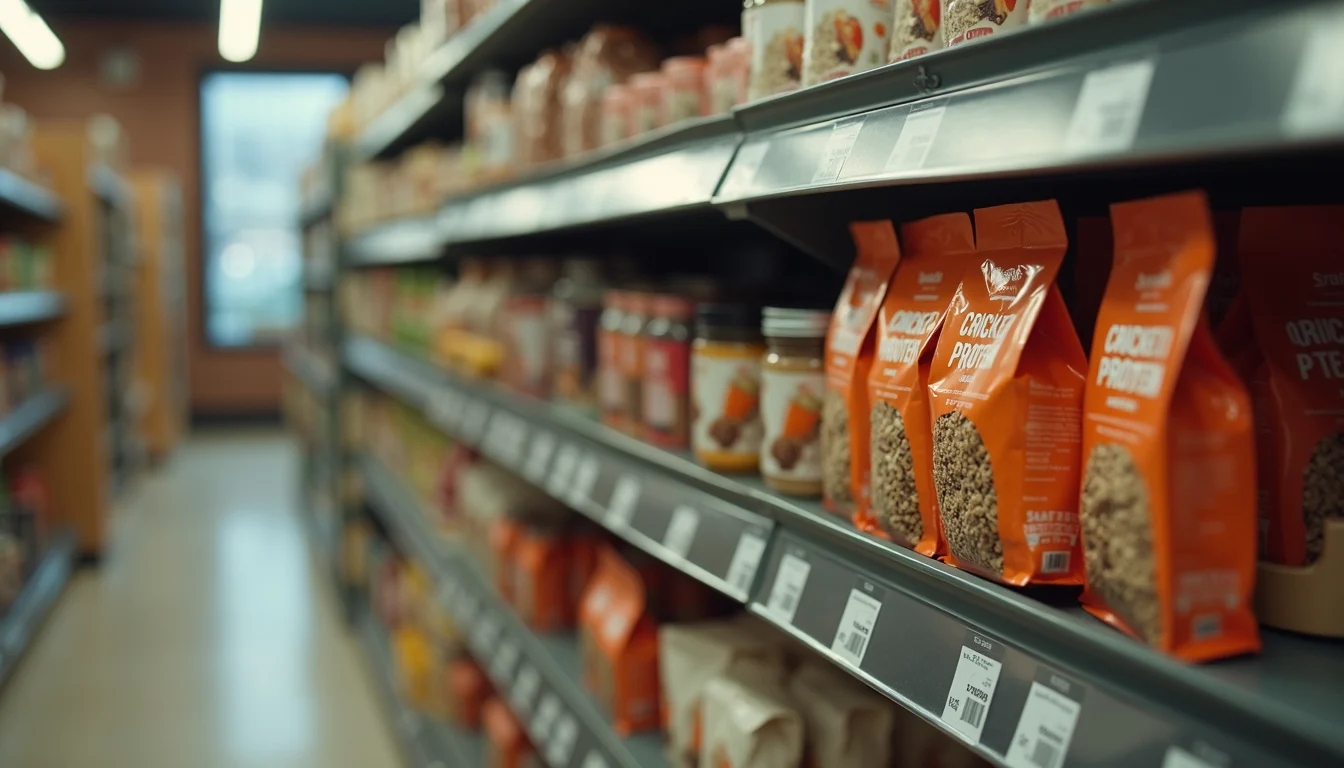
In the United States, cricket protein is commonly referred to simply as "cricket protein" or "cricket powder." It is gaining popularity as a novel protein source in health food markets and specialty stores. Many brands market cricket protein as a sustainable superfood, highlighting its nutritional benefits and eco-friendly production methods.
The term "cricket protein" is widely recognized among consumers interested in alternative proteins and sustainable eating. Products range from protein powders to snack bars and even pasta made with cricket flour. This growing market reflects increasing consumer awareness and acceptance of edible insect nutrition in the USA.
Nutritional Comparison: Cricket Protein vs. Traditional Protein Sources
To understand the value of cricket protein, it helps to compare it with more familiar protein sources. Here’s a quick look at how cricket protein stacks up against beef, chicken, and plant-based proteins:
| Nutrient | Cricket Protein (per 100g) | Beef (per 100g) | Chicken (per 100g) | Lentils (per 100g) |
|--------------------|----------------------------|-----------------|--------------------|--------------------|
| Protein | 65g | 26g | 27g | 9g |
| Fat | 6g | 15g | 3.6g | 0.4g |
| Iron | 9mg | 2.6mg | 1.3mg | 3.3mg |
| Calcium | 150mg | 18mg | 15mg | 19mg |
| Environmental Impact| Low | High | Moderate | Low |
Cricket protein offers a higher protein concentration with lower fat content compared to beef and chicken. It also provides more iron and calcium, essential for bone health and oxygen transport in the blood. Moreover, the environmental footprint of cricket farming is significantly smaller, making it a smart choice for health-conscious and eco-aware consumers.
Tips for Buying and Storing Cricket Protein Products
When purchasing cricket protein products, quality and sourcing are important factors to consider. Here are some tips to help you choose the best products and store them properly:
- Look for reputable brands that provide transparent information about their farming and processing methods.
- Check for certifications such as organic, non-GMO, or allergen-free if these are important to you.
- Choose products that suit your cooking style, whether whole crickets, powders, or ready-to-eat snacks.
- Store cricket protein in airtight containers in a cool, dry place to maintain freshness and prevent moisture absorption.
- Use cricket protein powder within the recommended shelf life to ensure optimal nutritional value.
By selecting high-quality cricket protein products and storing them correctly, you can enjoy their benefits safely and effectively.
Embracing a Sustainable Future with Edible Insect Nutrition
The future of food is evolving, and edible insect nutrition is at the forefront of this transformation. By incorporating cricket protein into your diet, you support a sustainable food system that requires fewer resources and produces less waste. This shift not only benefits your health but also helps protect the planet for future generations.
Whether you are an adventurous eater or simply looking for new ways to boost your protein intake, cricket protein offers a versatile and nutritious option. Start small, experiment with recipes, and discover how edible insect nutrition can enhance your meals and lifestyle.
Explore more about cricket protein and its benefits at Protanica.
