
Insect protein is gaining attention as a sustainable and efficient source of nutrition. It offers a promising alternative to traditional animal proteins, especially in the context of environmental concerns and food security. However, the question remains: is insect protein vegan-friendly? This question is important for food manufacturers, ingredient suppliers, and health-conscious consumers who prioritize ethical and dietary choices. In this article, I explore the vegan considerations for insect protein, its production, and its place in the food industry.
Understanding Vegan Considerations for Insect Protein
Veganism is a lifestyle and dietary choice that excludes all animal products and byproducts. It is based on ethical, environmental, and health reasons. When evaluating insect protein, it is essential to consider whether insects qualify as animals in the vegan framework. Insects are living creatures, and their use as food involves harvesting and processing them, which conflicts with vegan principles.
From a strict vegan perspective, insect protein is not vegan-friendly because it involves the use of animals. Vegans avoid consuming insects just as they avoid meat, dairy, eggs, and other animal-derived ingredients. However, some people who follow plant-based diets but are less strict about animal use might consider insect protein as an alternative protein source due to its sustainability benefits.
The production of insect protein also raises questions about farming practices, animal welfare, and environmental impact. Insect farming typically requires less land, water, and feed compared to traditional livestock. It produces fewer greenhouse gases and can be integrated into circular agricultural systems. These factors make insect protein attractive for sustainable food production, but they do not change its classification in vegan ethics.
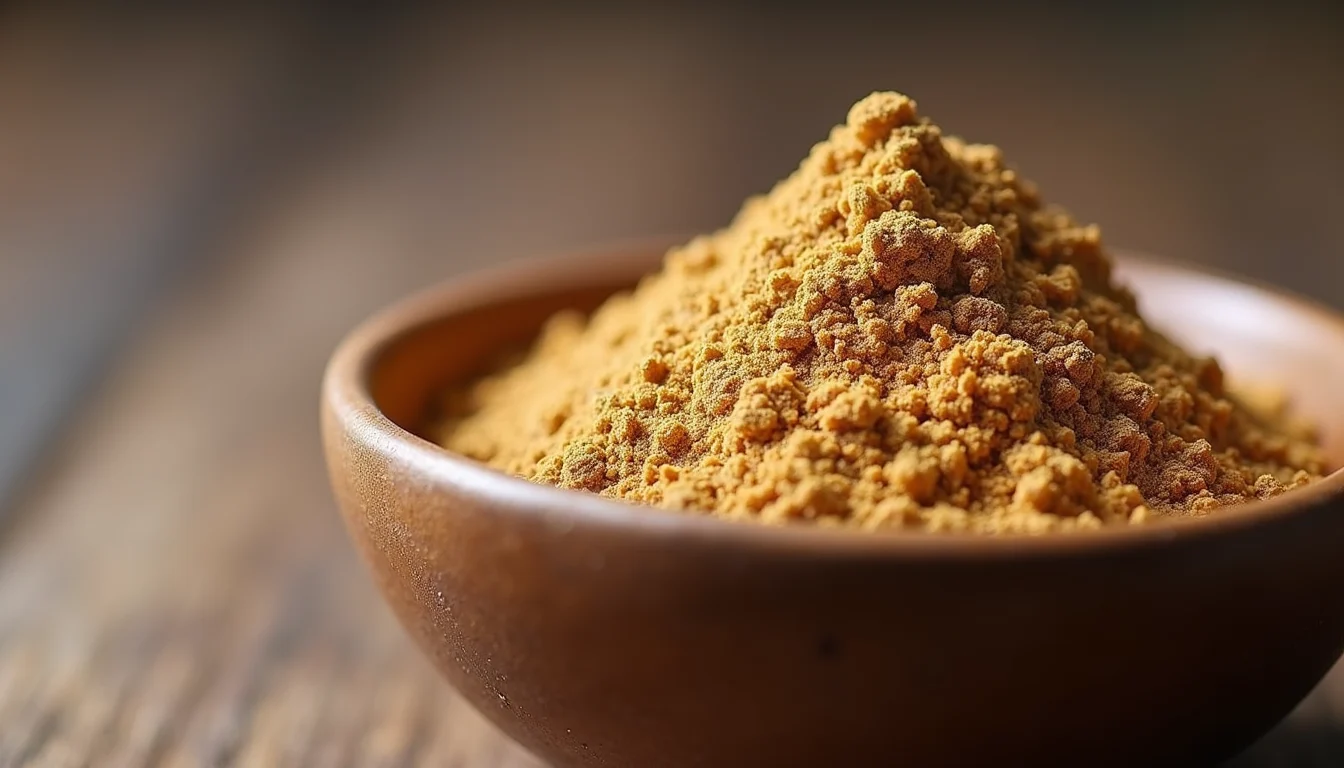
Nutritional and Environmental Benefits of Insect Protein
Insect protein offers several nutritional advantages. It is rich in essential amino acids, vitamins, minerals, and healthy fats. For example, crickets and mealworms provide high-quality protein comparable to beef or soy. This makes insect protein a valuable ingredient for food manufacturers looking to enhance the nutritional profile of their products.
Environmentally, insect farming is highly efficient. Insects convert feed into protein more effectively than traditional livestock. They require less water and emit fewer greenhouse gases. Additionally, insects can be fed organic waste streams, reducing food waste and supporting circular economy principles.
These benefits align with the goals of companies like Protanica, which aim to promote sustainable insect protein while supporting local agricultural communities. By expanding insect protein use globally, food manufacturers can reduce their environmental footprint and contribute to more sustainable food systems.

Is Red Dye 40 Made from Insects?
Red Dye 40 is a synthetic food coloring widely used in processed foods and beverages. It is important to distinguish it from natural red dyes like carmine, which is derived from cochineal insects. Carmine is not vegan because it involves harvesting insects to produce the dye.
Red Dye 40, however, is chemically synthesized and does not contain insect-derived ingredients. It is considered vegan-friendly from a dietary standpoint. This distinction is crucial for food manufacturers and consumers who want to avoid animal-derived additives.
Understanding the sources of food ingredients helps in making informed decisions about product formulation and labeling. While some natural dyes are insect-based, many synthetic alternatives exist that meet vegan standards.
Practical Recommendations for Food Manufacturers and Ingredient Suppliers
For companies interested in incorporating insect protein, it is essential to communicate clearly about the nature of the ingredient. Transparency about the source and production methods helps consumers make informed choices. Labeling should specify that insect protein is derived from animals, which may affect its acceptance among vegan consumers.
Food manufacturers can consider the following steps:
- Assess target market preferences - Understand if the consumer base is open to insect protein or prefers strictly plant-based options.
- Highlight sustainability benefits - Emphasize the environmental advantages of insect protein to appeal to eco-conscious consumers.
- Develop hybrid products - Combine insect protein with plant-based ingredients to create novel products that balance nutrition and ethics.
- Educate consumers - Provide information about insect protein’s nutritional value and sustainability to build trust and acceptance.
- Ensure ethical farming practices - Adopt humane and environmentally responsible insect farming methods to align with broader ethical standards.
Ingredient suppliers should focus on quality control, traceability, and certification to support food manufacturers in meeting regulatory and consumer expectations.
Future Outlook: Balancing Ethics and Sustainability in Protein Sources
The future of protein production involves balancing ethical considerations with environmental sustainability. Insect protein presents a compelling option for reducing the ecological impact of food systems. However, it challenges traditional definitions of veganism due to its animal origin.
As the market evolves, new categories such as "entovegan" or "insect-friendly" diets may emerge to describe consumers who prioritize sustainability but are flexible about insect consumption. Meanwhile, plant-based proteins will continue to dominate the vegan market.
For global food manufacturers and ingredient suppliers, staying informed about consumer trends and ethical debates is crucial. Innovations in insect protein production, combined with transparent communication, can help integrate this ingredient responsibly into the food supply.
By supporting sustainable insect protein, companies like Protanica contribute to a more resilient and environmentally friendly food future while respecting diverse dietary choices.
This exploration of vegan considerations for insect protein highlights the complexity of defining vegan-friendly ingredients in a changing food landscape. For those asking is insect protein vegan friendly, the answer depends on ethical perspectives and dietary definitions. Insect protein is sustainable and nutritious but does not align with strict vegan principles. Understanding these nuances helps food manufacturers and consumers make choices that reflect their values and goals.